
2025-10-15 Posted by TideChem view:1204
Polyethylene glycol (PEG) is a polymer with the structure(-CH2CH2O-)n ,which is synthesized normally by ring opening polymerization of ethylene oxide, with molecular weights typically ranging from 200 to 8000 or higher. Due to their excellent water solubility and biocompatibility, PEG linkers are widely used in drug conjugation, biolabeling, and drug delivery systems.
Based on molecular uniformity, there are two classes of PEG linkers, monodispersed and polydispersed. Monodispersed PEG has an exact number of PEG units with a specific single chemical structure with precise molecular weight, whereas polydispersed PEG is a polymer mixture that has an average molecular weight. PEG linkers can be functionalized with a variety of functional groups such as Amine, Mal, NHS, COOH, N3, Biotin, and DBCO, providing versatile chemical handles for further modifications.
(1)Improved water solubility: A dramatic increase in the water solubility of modified molecules.
(2)Reduced Immunogenicity: Increase in immunogenicity due to the shielding of modified molecules from the immune system.
(3)Extended Circulation Time: Protection of modified protein and peptides from digestion by proteolytic enzymes, and effectively increasing their hydrophobic volume and decreasing clearance rates by renal filtration, all of which results in an increase in the serum half-life of modified modified molecules in vivo.
Selecting the appropriate PEG linker is critical for achieving optimal performance in bioconjugation and drug development. The following key factors should be considered:
Different PEG linkers are designed with specific reactive groups to match common bioconjugation chemistries:
NHS-PEG: Ideal for amine-reactive conjugation
Maleimide-PEG: Suitable for thiol-specific reactions
Azide / Alkyne PEG: Used in click chemistry applications
Choosing the correct functional group ensures high coupling efficiency and reaction specificity.
PEG molecular weight directly affects solubility, steric shielding, and pharmacokinetics:
Low MW PEG (≤1 kDa): Minimal steric hindrance, suitable for labeling
Medium MW PEG (2–5 kDa): Balance between solubility and stability
High MW PEG (≥10 kDa): Enhanced circulation time and reduced immunogenicity
The intended application determines linker design:
ADC development: Improves hydrophilicity and linker flexibility
Peptide or protein conjugation: Enhances stability and bioavailability
Diagnostic labeling: Reduces nonspecific binding and background signal
1.PEG Linkers in Antibody Drug Conjugate
Antibody drug conjugates (ADCs) are a novel class of highly potent antitumor drugs, with key components comprising an antibody, a linker, and a payload. The linker serves as a bridge between the antibody and the payload, playing a critical role in the stability and efficacy of ADCs. The linkers of Trodelvy® and Zynlonta® both include PEG units, which improve water solubility and enhance plasma stability to optimize drug treatment efficacy.
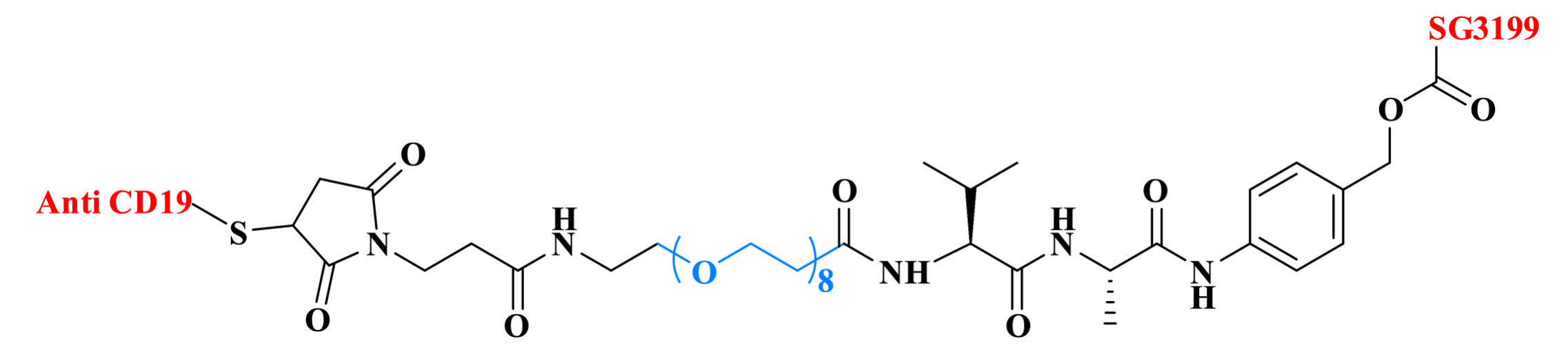
Figure 1. The structure of Zynlonta® contains a PEG8 linker.
2.PEG Linkers in Drug Delivery Systems
Liposomes are phospholipid-based vesicles with aqueous cores enclosed by lipid bilayers, allowing the encapsulation of both hydrophilic and lipophilic drugs. The incorporation of PEG linkers enhances the circulatory half-life of liposomes, reduces immunogenic recognition, and improves therapeutic efficacy in vivo. PEGylated liposomes have the advantages of targeted drug delivery, enhanced drug solubility, controlled and sustained release.
Doxil®, the PEGylated liposomal doxorubicin developed by Sequus Pharmaceuticals, became the first FDA-approved liposomal drug. Its PEGylation technology significantly extends plasma half-life while reducing cardiotoxicity, establishing a milestone in oncology therapeutics.

Figure 2. The structure of Doxil® contains DSPE-PEG2000.
3.PEG Linkers in Protein and Peptide Drugs
Protein and peptide drugs are commonly limited by their short plasma half-life and poor oral bioavailability. PEGylated proteins and peptides can increase molecular size to reduce renal clearance and provide steric shielding against proteolytic attack, thereby decreasing compound clearance rates. Clinically successful examples of PEGylated protein drugs include Skytrofa® for growth hormone deficiency and Besremi® for polycythemia vera, both demonstrating optimized pharmacokinetic profiles and enhanced therapeutic efficacy.
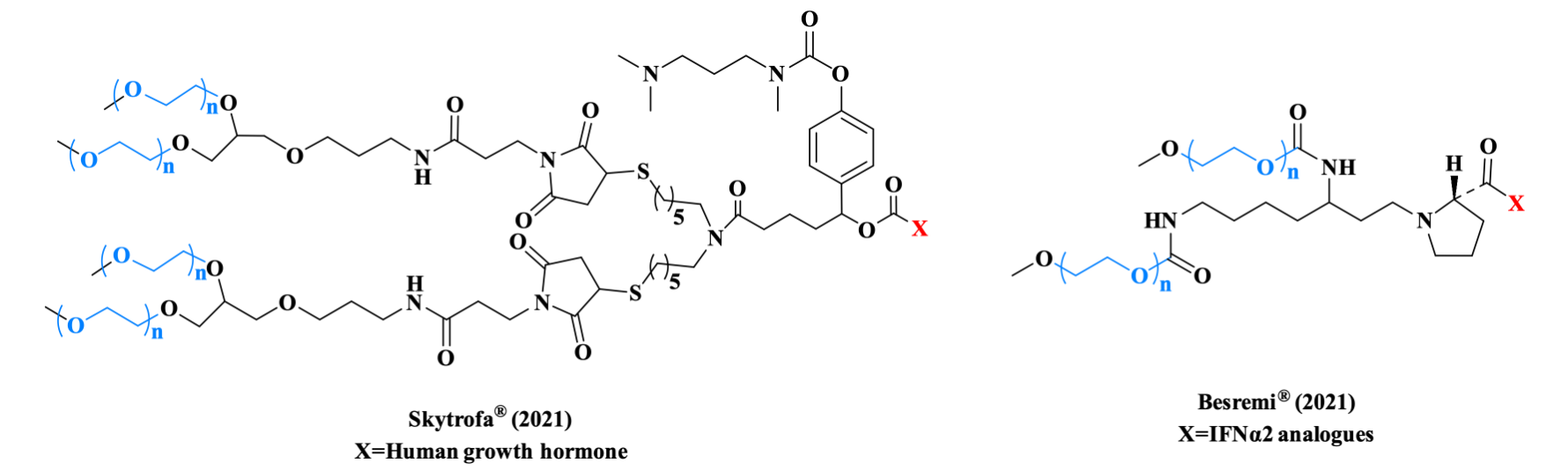
Figure 3. PEG linker used in Skytrofa® (Left) and Besremi® (Right).
4.PEG Linkers in Small Molecule Drugs
Through PEGylation, small molecule drugs can acquire PEG's superior physicochemical properties to form biocompatible complexes, offering an innovative solution for developing long-acting formulations and enabling targeted therapy. A prime example is Movantik®, a PEGylation of small molecule drug approved by the FDA in 2014 for treating opioid-induced constipation.
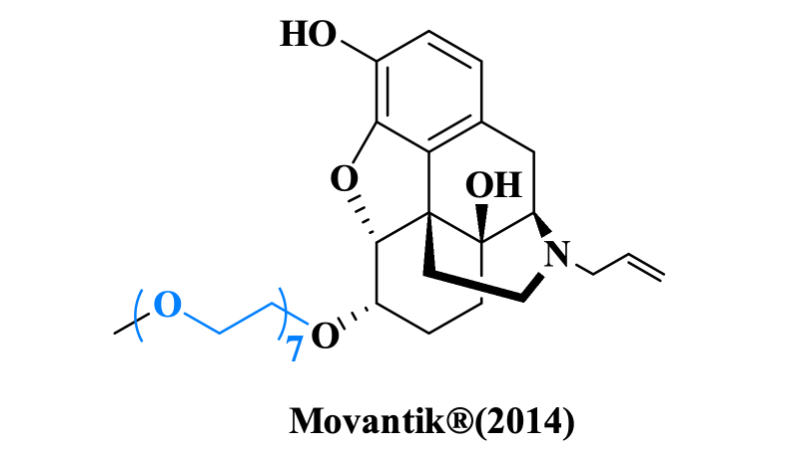
Figure 4. PEG linker used in Movantik®.
| Product | Description | Link |
| m-PEG | Monomethoxy PEG, highly versatile for protein and peptide conjugation. | View Product |
| Branched PEG | Multi-arm PEG for enhanced steric shielding and improved stability in ADCs or protein conjugates. | View Product |
| Maleimide PEG | Thiol-reactive PEG for site-specific bioconjugation and drug-linker applications. | View Product |
| DBCO PEG | Functionalized PEG for SPAAC (copper-free) click chemistry applications. | View Product |
| Azide PEG | Terminal azide PEG for copper-catalyzed or strain-promoted click reactions. | View Product |
| Alkyne PEG | Terminal alkyne PEG for click chemistry and site-specific labeling of biomolecules. | View Product |
PEG linkers are widely used in pharmaceutical and biotechnology research. To learn more about our expertise in linker chemistry and related products, please visit the official website of Tide Chem.
A PEG linker is a polyethylene glycol–based spacer molecule designed to connect two functional entities, such as drugs, peptides, proteins, or labels. It improves solubility, flexibility, and stability in bioconjugation systems.
Standard PEG is primarily used as a solubilizing polymer, while PEG linkers are functionalized PEG molecules with reactive end groups that enable controlled and site-specific conjugation in biomedical applications.
PEG linkers offer multiple advantages, including:
Increased water solubility
Reduced steric hindrance
Improved pharmacokinetics
Lower immunogenicity
These properties make them essential in modern drug delivery and conjugation strategies.
In antibody–drug conjugates (ADCs), PEG linkers enhance hydrophilicity, reduce aggregation, and improve linker flexibility. This can lead to better drug–antibody ratios (DAR) and more predictable in vivo behavior.
PEG linkers are generally used to reduce immunogenicity by shielding reactive or hydrophobic regions of drug molecules. When properly designed, they improve safety and tolerability profiles.
Key considerations include:
Reactive functional groups
PEG molecular weight
Target molecule type
Desired pharmacokinetic properties
Consulting a supplier with bioconjugation expertise can significantly reduce development risk.
Yes. PEG linkers are commonly used in fluorescent labeling, imaging probes, and diagnostic reagents to improve signal clarity and reduce nonspecific binding.
Explore more in-depth guides to expand your understanding of PEG linkers:
How to Choose the Best PEG Linker for Bioconjugation
Learn the key considerations for selecting the right PEG linker for bioconjugation projects, including reactive groups, PEG size, and linker shape.
Click Chemistry with Functionalized PEG Linkers
Discover how functionalized PEG linkers enhance click chemistry efficiency for protein, peptide, and ADC conjugation.
FDA‑Approved PEGylated Drugs: Approvals & PEG Linker Insights
Explore recent FDA-approved PEGylated drugs and see how PEG linkers are applied in real-world therapeutics.
Turecek, Peter L et al. “PEGylation of Biopharmaceuticals: A Review of Chemistry and Nonclinical Safety Information of Approved Drugs.” Journal of pharmaceutical sciences vol. 105,2 (2016): 460-475. doi:10.1016/j.xphs.2015.11.015.
Zammarchi, Francesca et al. “ADCT-402, a PBD dimer-containing antibody drug conjugate targeting CD19-expressing malignancies.” Blood vol. 131,10 (2018): 1094-1105. doi:10.1182/blood-2017-10-813493.
Chey, William D et al. “Naloxegol for opioid-induced constipation in patients with noncancer pain.” The New England journal of medicine vol. 370,25 (2014): 2387-96. doi:10.1056/NEJMoa1310246.
Chatelain, Pierre et al. “A Randomized Phase 2 Study of Long-Acting TransCon GH vs Daily GH in Childhood GH Deficiency.” The Journal of clinical endocrinology and metabolism vol. 102,5 (2017): 1673-1682. doi:10.1210/jc.2016-3776.
Quintás-Cardama, Alfonso et al. “Molecular analysis of patients with polycythemia vera or essential thrombocythemia receiving pegylated interferon α-2a.” Blood vol. 122,6 (2013): 893-901. doi:10.1182/blood-2012-07-442012.
Kanemasa, Toshiyuki et al. “Pharmacological Profile of Naldemedine, a Peripherally Acting μ-Opioid Receptor Antagonist: Comparison with Naloxone and Naloxegol.” The Journal of pharmacology and experimental therapeutics vol. 373,3 (2020): 438-444. doi:10.1124/jpet.119.264515.